Asphalt Removal vs. Resurfacing in Manassas, VA: What’s the Best Fix for Failing Pavement?
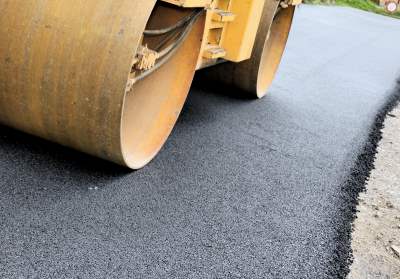
Your driveway or lot is showing cracks and bumps. The big question is “resurface or replace?” This guide explains the difference between asphalt removal vs resurfacing and how to pick the right fix for Manassas, VA weather and traffic. If your surface is beyond a quick overlay, our asphalt removal and replacement option gives you a clean start that lasts.
At PAVETEC, we help homeowners, property managers, and small businesses choose smart repairs. We look at structure, drainage, and the pattern of damage, not just the surface. That way your pavement stands up to freeze-thaw cycles, summer heat, and weekend traffic spikes around Old Town Manassas.
Why Pavement Fails Around Manassas
Asphalt ages faster when water, temperature swings, and heavy loads work together. In Northern Virginia, winter cold and spring rain push water into tiny cracks. When water freezes, it expands and pries the pavement apart. Summer heat softens weak spots, and vehicle turns grind the surface near entrances and intersections.
Local trouble zones include neighborhood streets in Sudley and West Gate, HOA lots near Liberia Avenue, and busy turns around retail plazas on Centreville Road. Add school traffic, delivery trucks, and buses, and small cracks can quickly grow into potholes.
Quick Definitions: Resurfacing vs. Removal
Resurfacing, also called an overlay, installs a new layer of asphalt on top of the existing surface after prep work like cleaning, leveling low areas, and milling the top layer as needed. It improves ride quality and looks new, but it does not fix a bad base or deep structural problems.
Full-depth removal and replacement grinds or excavates the failed asphalt, addresses base and drainage issues, then installs new pavement. It tackles root causes and resets the clock on your surface.
When Resurfacing Is a Smart Choice
Choose an overlay when the structure is sound and damage is shallow. Good candidates often show minor wear without base failure.
- Cracks are mostly hairline or limited to small areas that can be repaired first.
- There is no pumping or movement under wheel paths when vehicles pass.
- Drainage is good, and water does not sit near the curb or at the bottom of the driveway.
- Past repairs are small and scattered, not large patches across wide areas.
When these conditions are met, a new surface can ride smooth, seal out water, and refresh curb appeal. It is also faster to complete than a full rebuild, which helps busy sites near Old Town and Wellington Road keep traffic flowing.
When Full Asphalt Removal Makes More Sense
If the pavement is breaking down below the surface, a new layer on top will not last long. Look for these warning signs:
- Widespread alligator cracking that keeps returning after patching.
- Soft, spongy areas or depressions that move under tires.
- Standing water that lingers hours after rain, especially near entrances.
- Large, repeated potholes or long ruts in wheel paths.
Covering structural damage with an overlay is like painting over a leak. Moisture and movement will keep forcing their way up. When the base is weak, removal and replacement protects your investment and reduces future disruptions to homes and businesses in Manassas, VA.
How Pros Decide: The Evaluation Process
A careful inspection focuses on what you cannot see. We check the thickness of the existing pavement, the condition of the base, and how water flows across the site. We review traffic patterns too. A residential driveway in Yorkshire does not carry the same loads as a delivery route near the VRE station.
Expect a visual survey of cracks and patches, measurement of low spots, and a plan to correct drainage. For troubled areas, we may recommend targeted removal to confirm base conditions. Fixing the cause before installing new asphalt is the key to long life.
What the Process Looks Like in Northern Virginia
The steps vary by site, but here is a simple overview for our region’s climate and soils.
For resurfacing we clean the surface, mill or grind high spots, repair cracks and small base failures, and adjust drainage if needed. Then we place a fresh asphalt layer and compact it to the right density for the use of the pavement.
For removal and replacement we mill or excavate the old asphalt, repair the base, and regrade to direct water away from driveways, entries, and stacked townhome garages. New asphalt is installed in lifts and compacted so snowplows and trash trucks will not chew it up.
Local Examples: Common Scenarios We See
Older driveways in established neighborhoods like Sudley often have multiple patch layers. The base may be thin, and water tends to pool at the apron. In many of these cases, full removal is the longer-lasting fix because the base needs attention.
Townhome communities near Ashton Avenue sometimes have smooth surfaces with scattered hairline cracking after winter. Those are often good candidates for resurfacing after minor repairs and leveling. Small retail lots around Liberia Avenue with rutting in drive lanes usually benefit from thicker replacement in those wheel paths and improved drainage grading.
How Long Will Each Option Last?
Longevity depends on traffic, base strength, drainage, and upkeep like timely crack sealing. Resurfacing extends life when the foundation is solid. Removal and replacement provides the best reset when the structure is compromised.
If water is trapped under the surface, any new layer will age quickly. Addressing drainage and base issues during removal is what keeps your surface smoother for longer in Manassas, VA’s wet springs and hot summers.
Myths Manassas Property Owners Hear
Myth 1: “An overlay fixes everything.” Overlays refresh the surface, but they cannot cure a weak base or poor drainage. Structural issues must be corrected first.
Myth 2: “Cracks mean immediate replacement.” Not always. Some cracking is superficial and repairable before resurfacing. The pattern and movement tell the real story.
Myth 3: “More thickness equals longer life every time.” Thickness helps only when the base and drainage are right. Otherwise, problems return through the new layer.
Reduce Future Repairs With Smart Specs
Good specs fit your site. For driveways on slopes, plan surface grades that shed water to landscaping or drains. For busy parking areas in Bristow or Gainesville, design thicker lifts and sturdier base in wheel paths and loading zones. In shaded areas, keep water away from edges where ice lingers.
Ask about compaction targets, joint placement, and where to shift traffic during curing. Small choices at installation can prevent long-term headaches. A clean edge, a tight joint, and smooth drainage around curbs and downspouts make a big difference.
Choosing the Right Path: A Simple Decision Guide
Use this quick guide to align your choice with what you see on the ground.
- Pick resurfacing when damage is minor, the base is stable, and water drains off the surface.
- Pick removal when cracking is widespread, soft spots return after patching, or water sits in low areas.
- If you are unsure, a professional evaluation can spot base failure and plan targeted fixes before any new asphalt goes down.
Want a deeper overview of options and process? Read more on asphalt removal vs resurfacing in Manassas, VA to see how the choice plays out for different property types and traffic levels.
What Happens After the Work Is Done
Great results do not end on paving day. Keep edges protected, avoid tight turning in the same spot, and schedule maintenance like crack sealing to block water. In tree-lined streets near Signal Hill Park, watch for roots and gutters that push water onto the pavement. Direct downspouts so runoff does not cut channels across your driveway or parking lanes.
For neighborhood HOAs, share a simple care note with residents after resurfacing or replacement. A little attention in the first weeks helps the surface set up strong and keeps it looking sharp longer.
Talk With a Local Crew You Can Trust
If you are weighing asphalt removal vs resurfacing, a short site visit brings clarity. PAVETEC will check base support, drainage, and traffic patterns, then give you a clear, step-by-step plan. If removal is the best path, we will map out phasing so families and customers can get in and out with minimal disruption.
Start by scheduling a quick assessment. If the surface is beyond a light fix, our team is ready with professional asphalt removal tailored to Manassas, VA properties. Call us at 571-404-7283 to get on the calendar and protect your pavement for the long run. Call now for asphalt removal in Manassas.
Get Started With Our Paving Company In Manassas & Surrounding Areas